Why Choose Turf Rolls for Your Landscaping Needs?
When considering landscaping options, many homeowners find themselves wondering about the best materials to use. One increasingly popular choice is Turf Rolls. These rolls offer a convenient solution for creating a lush green lawn without the hassles of traditional sod. Professionals appreciate Turf Rolls for their durability and ease of installation.
The appeal of Turf Rolls lies in their versatility. They can transform a dull yard into a vibrant space. Installation is often quicker than seeding, providing instant results. This option can fit various landscaping projects, from residential backyards to commercial properties. However, it is important to consider factors like climate and soil health.
Some may find Turf Rolls to be a costly choice. Others might question the long-term benefits versus its initial investment. Regardless, the advantages of immediate greenery and reduced maintenance efforts are strong considerations. Turf Rolls not only enhance aesthetics but also contribute to environmental quality. Choosing the right landscaping materials is essential for lasting beauty and function.
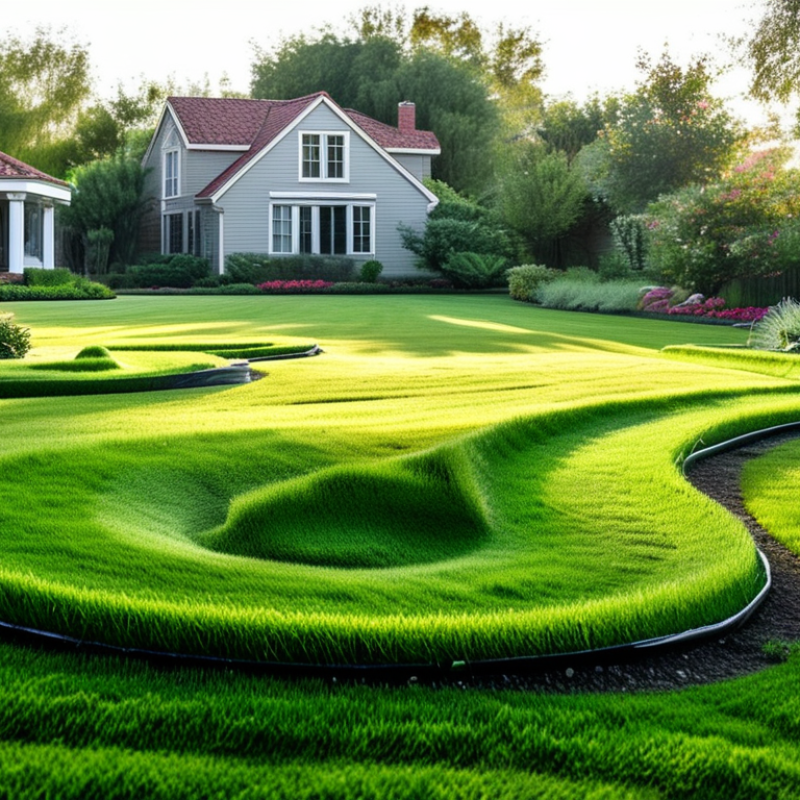
Benefits of Using Turf Rolls in Landscaping
When considering landscaping options, turf rolls stand out for their numerous benefits. Naturally, they provide an instant green space. They can help homeowners achieve a lush lawn without the extended wait time associated with traditional seeding methods. This immediate effect brings satisfaction and excitement.
Turf rolls are incredibly versatile. They can be used for residential lawns, commercial spaces, or event venues. Their installation can often be completed in a day, meaning your outdoor area can be transformed quickly. This efficiency is ideal for those who need quick restoration or enhancement of their landscapes. Additionally, turf rolls require less water than traditional grass, contributing to water conservation efforts.
**Tip:** To ensure a successful installation, prepare the ground thoroughly. Remove any debris and level the soil for uniformity.
Another notable advantage is their durability. Turf rolls can withstand heavy foot traffic. They maintain their lush appearance with proper care, saving time and resources in the long run. However, neglecting maintenance can lead to issues, so it’s essential to find a balance between ease and ongoing care.
**Tip:** Regular watering and occasional aeration can help maintain the health of your turf rolls.
Benefits of Using Turf Rolls in Landscaping
Comparing Turf Rolls to Traditional Grass Seeding
When it comes to landscaping, the choice between turf rolls and traditional grass seeding can have lasting effects. Turf rolls provide an immediate, lush green lawn. Statistics show that newly installed sod can establish roots in as little as two weeks, while seeded grass often takes several months to grow and mature. In regions with unpredictable weather, sod can be a more reliable option.
Traditional grass seeding allows for a wider variety of grass types. However, it usually demands more time and labor. A 2021 landscape report indicated that 30% of homeowners encountered issues with seed germination due to soil conditions or pests. Turf rolls, on the other hand, are less prone to these problems. Yet, they can present challenges, such as the need for proper installation techniques and ongoing maintenance.
Choosing between these two methods involves weighing immediate gratification against potential long-term success. Turf rolls can be more costly upfront, but they provide instant aesthetics. Evaluating your local climate, soil condition, and desired maintenance level plays a crucial role in making the best choice for your landscaping project.
Installation Process of Turf Rolls for Beginners
When considering turf rolls for landscaping, the installation process can be straightforward yet requires attention to detail.
Begin by preparing the soil. Clear the area of debris, weeds, and old sod.
Level the ground, ensuring it's smooth. This step is crucial. Uneven terrain can cause issues later on.
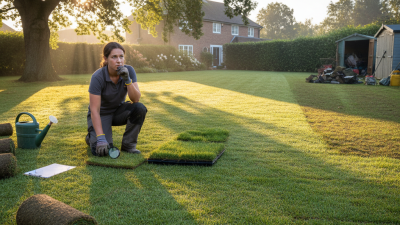
Next, lay out the turf rolls. Unroll them side by side, avoiding overlaps. Make sure the edges meet snugly. A common mistake is not aligning the seams correctly. This may lead to gaps or uneven sections in the future.
Press down firmly to eliminate any air pockets.
Tips: Water the area lightly before installation. This helps the turf adhere better. Additionally, use a utility knife for precise cutting.
It's essential to be patient. If a piece doesn’t fit, take your time to adjust it. Rushing can create a messy look.
Ensuring proper installation will lead to a lush, beautiful landscape that lasts.
Long-term Maintenance Tips for Turf Roll Lawns
Caring for turf roll lawns requires attention and dedication. Regular mowing is essential to encourage healthy growth. Aim for a height of about two to three inches. This helps the grass develop deeper roots. It also enhances the overall look of your lawn. However, avoid cutting more than one-third of the grass height at once. This can stress the turf and lead to long-term issues.
Watering is another critical aspect. Turf rolls need consistent moisture, especially during dry spells. Aim to water early in the morning. This reduces evaporation and allows the grass to absorb water effectively. Overwatering can lead to shallow roots and disease, so be mindful of your watering schedule. Adjust it according to the season and rainfall.
Fertilization is vital for a vibrant lawn. Use a balanced fertilizer that fits your turf type. The right nutrients promote growth and color but don't overdo it. Too much fertilizer can damage your turf. Regularly checking for weeds is also crucial. Hand-pulling or using safe herbicides can keep your lawn looking pristine. Remember, imperfections may arise, but they provide opportunities for learning and improvement.
Environmentally Friendly Aspects of Turf Rolls and Their Impact
Turf rolls are gaining popularity due to their environmentally friendly properties. They offer an immediate green space while also supporting the ecosystem. According to the Environmental Protection Agency, turf can reduce surface temperatures, mitigate stormwater runoff, and improve air quality. These benefits make turf a sustainable option for landscaping.
One study by the University of California found that natural turf can sequester carbon, helping to combat climate change. In addition, each square meter of turf can absorb up to 900 liters of rainwater annually. This capacity helps reduce flooding and decreases the burden on drainage systems. The impacts of turf rolls extend beyond mere aesthetics; they play a critical role in promoting biodiversity.
Despite the advantages, there are considerations to keep in mind. Some types of turf require maintenance and water, which can be a drawback in arid regions. Additionally, turf should be sourced from responsible growers who prioritize sustainable practices. Choosing the right turf rolls involves understanding local climate and specific landscaping goals, ensuring that they fit the environmental needs of each area.
Why Choose Turf Rolls for Your Landscaping Needs? - Environmentally Friendly Aspects of Turf Rolls and Their Impact
| Aspect |
Effect |
Environmental Impact |
| Water Conservation |
Reduced irrigation needs |
Less water usage and conservation of natural resources |
| Soil Erosion Control |
Prevents soil loss |
Minimizes negative effects on local ecosystems |
| Biodiversity Support |
Provides habitat for wildlife |
Encourages variety in flora and fauna |
| Carbon Sequestration |
Absorbs CO2 emissions |
Helps mitigate climate change |
| Lower Chemical Use |
Less pesticide and fertilizer application |
Reduced chemical runoff into water sources |

 +86 19005411400+86 15006803065
 Contact Phone
 Contact Email