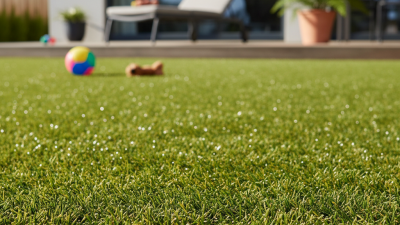
Top 10 Green Turf Tips for Your Landscaping Needs?
Maintaining a lush green turf is essential for any landscaping project. According to the Lawn Institute, over 30 million acres of American lawns produce oxygen while filtering pollutants. This information highlights the environmental importance of green turf. Expert landscape designer, Dr. Jane Smith, states, “A healthy turf can reduce heat, improve air quality, and enhance aesthetic appeal.”
However, achieving the perfect green turf is not without its challenges. Common issues include pests, diseases, and climate variations that can hinder growth. Research shows that around 40% of homeowners struggle with turf maintenance. Simple solutions can make a significant difference. Using high-quality grass seeds and lawn techniques can lead to healthier outcomes.
Understanding that green turf requires care and attention is vital. It's not just about having a beautiful lawn; it’s about creating an eco-friendly space. By learning and adapting techniques, we can overcome barriers to achieving the green turf we desire. Reflecting on our turf management will yield not only beauty but also environmental benefits.

Understanding the Importance of Green Turf in Landscaping
Green turf plays a vital role in landscaping. It enhances aesthetics and promotes environmental health. According to the United States Environmental Protection Agency (EPA), lawns can reduce urban heat by up to 15 degrees Fahrenheit. This cooling effect is essential for mitigating city heat islands.
Furthermore, healthy turf can improve air quality. Grass captures carbon dioxide and filters pollutants, contributing to cleaner air. A report from the American Society of Landscape Architects indicates well-maintained landscapes can increase property value by up to 15%. This demonstrates the financial benefits alongside the ecological ones.
However, maintaining green turf isn't without challenges. Poor soil conditions and inappropriate watering can lead to turf diseases. A study from the University of California suggests that overwatering can waste up to 50% of water resources. Therefore, understanding local climate and soil health is crucial. Attending to these details can lead to healthier turf and a more sustainable landscape.
Choosing the Right Type of Turf for Your Climate
When selecting turf for your landscape, consider your local climate.
Cool-season grasses thrive in northern areas, while
warm-season varieties favor southern regions.
You can’t overlook factors like sunlight and soil type. Understanding your environment will
help you choose effectively.
Researching grass types is crucial. For example,
fescue is hardy and drought-resistant. However, it
may not perform well in heavy shade. On the other hand, Bermuda grass
is vibrant and durable under full sun but struggles in colder months. Be cautious of
over-planting one type. Diversity can enhance the resilience
of your lawn.
Seasonal adjustments are vital. Regular maintenance
can help prevent common issues like pests or diseases. Regular watering is essential, but overwatering leads
to root rot. Soil testing can reveal nutrient needs, helping you avoid poor decisions. Embrace the
learning process. It's okay to make mistakes; they offer
valuable lessons for improvement.
Best Practices for Installing Green Turf in Your Yard
When installing green turf, choosing the right type is crucial for your yard’s health. According to the American Society of Landscape Architects, using native grasses reduces water usage by up to 50%. These grasses thrive in local climates and require less maintenance. This selection process should be informed by soil quality and sunlight exposure.
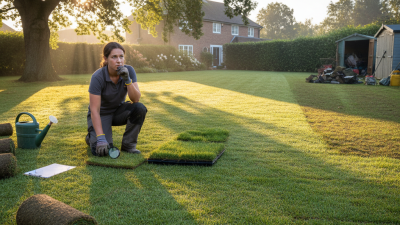
Preparation is a key step in the installation process. Ensure the area is clear of debris and old turf. Soil testing can reveal pH levels and nutrient needs. A report by the Turfgrass Water Conservation Alliance stated that proper soil preparation can enhance turf growth by 30%. Compact soil hinders root development. Aerating the soil helps create a resilient foundation.
Post-installation care often suffers from negligence. Regular watering is vital in the first weeks. The general rule is to ensure the turf receives about an inch of water each week. However, overwatering can lead to fungal issues. Observing the turf daily allows for early detection of problems. Remember, achieving a lush lawn is an ongoing process that requires attention and adaptability.
Top 10 Green Turf Tips for Your Landscaping Needs
| Tip Number |
Tip Description |
Benefits |
Best Time to Implement |
| 1 |
Choose the Right Turf Type |
Enhances growth and durability |
Spring or Fall |
| 2 |
Soil Preparation |
Improves root establishment |
Before Turf Installation |
| 3 |
Proper Watering Schedule |
Promotes healthy growth |
After Installation |
| 4 |
Fertilization Practices |
Provides essential nutrients |
Early Spring |
| 5 |
Weed Control Methods |
Reduces competition for resources |
Throughout Growing Season |
| 6 |
Mowing Techniques |
Encourages denser growth |
Regularly Once Established |
| 7 |
Aeration Practices |
Enhances air exchange |
Late Spring or Early Fall |
| 8 |
Pest Control Strategies |
Protects turf health |
As Needed |
| 9 |
Seasonal Overseeding |
Maintains turf density |
Early Fall |
| 10 |
Regular Maintenance Schedule |
Ensures long-term health |
Year-Round |
Effective Maintenance Tips for Healthy Green Turf
Maintaining healthy green turf requires attention and effort. Regular watering is crucial. Aim for deep watering sessions, ideally once or twice a week. This encourages roots to grow downward, making your turf more drought-resistant. Observe your lawn's color. If it starts to look dull, it’s a sign it needs water.
Mowing is another key factor. Keep your mower blades sharp. Cut the grass to a height of about three inches. Taller grass shades the roots and retains moisture. Avoid cutting more than one-third of the blade at once; this prevents stress on the turf. Weeds can quickly invade. Use mulch to suppress their growth. Hand-pulling weeds can also be effective but requires diligence.
Over-seeding can help revitalize thinning areas. Choose a compatible grass type. It’s best to do this in early fall. This method not only fills in bare spots but also strengthens the existing turf. Soil health is vital, too. Regular soil tests can reveal nutrient deficiencies. Amend your soil based on these results to enhance turf vitality. Reflect on your procedures regularly. Some methods may work better for you than others. Keep experimenting to find what suits your landscape.
Sustainable Landscaping: Incorporating Eco-Friendly Turf Solutions
Sustainable landscaping is gaining traction. Eco-friendly turf solutions can dramatically reduce water usage. According to the Environmental Protection Agency (EPA), landscaping accounts for nearly 30% of urban water use. Adopting green turf can cut this figure significantly.
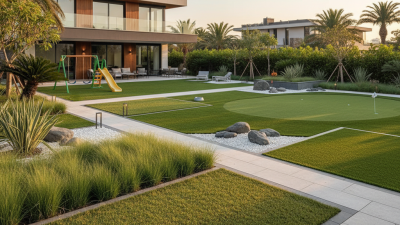
Measurements indicate that synthetic turf can save up to 56 gallons of water per square foot annually. Additionally, these products can reduce the need for harsh chemical fertilizers. Research from the Center for Sustainable Landscapes highlights that turf can contribute to reduced runoff pollution. This adapts to local climates and soil types, improving urban biodiversity.
However, not all turf solutions are equal. Some synthetic options raise concerns about heat retention and microplastic pollution. Consumers and landscapers must do diligent research. Seek out reputable studies and material reports when making decisions. Selecting the right eco-friendly turf is crucial for long-term sustainability.

 +86 19005411400+86 15006803065
 Contact Phone
 Contact Email