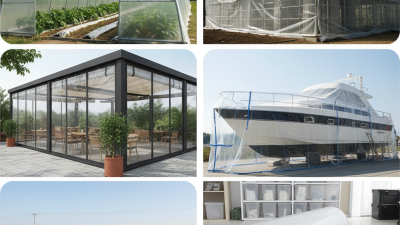
2026 How to Choose the Best Waterproof Clear Tarpaulin?
Choosing the best Waterproof Clear Tarpaulin can seem daunting. With a plethora of options available, it’s important to make an informed decision. A quality tarp serves various purposes, from covering boats to protecting outdoor furniture. Understanding the characteristics of these tarpaulins can significantly impact their effectiveness.
The material, thickness, and clarity of the Waterproof Clear Tarpaulin are critical factors. Thicker tarps generally offer better durability against harsh weather. However, they might be heavier and less flexible. Clear options allow visibility while providing protection. This can be beneficial for showcasing items or maintaining light in a workspace. Assessing your specific needs is essential to find the right balance of these features.
Reflect on your experiences with tarpaulins. Have they met your expectations? Sometimes, the perfect tarp might not exist, and compromises are necessary. Recognizing your priorities will guide your selection process. It’s about finding what works best for your circumstances and ensuring long-lasting performance.
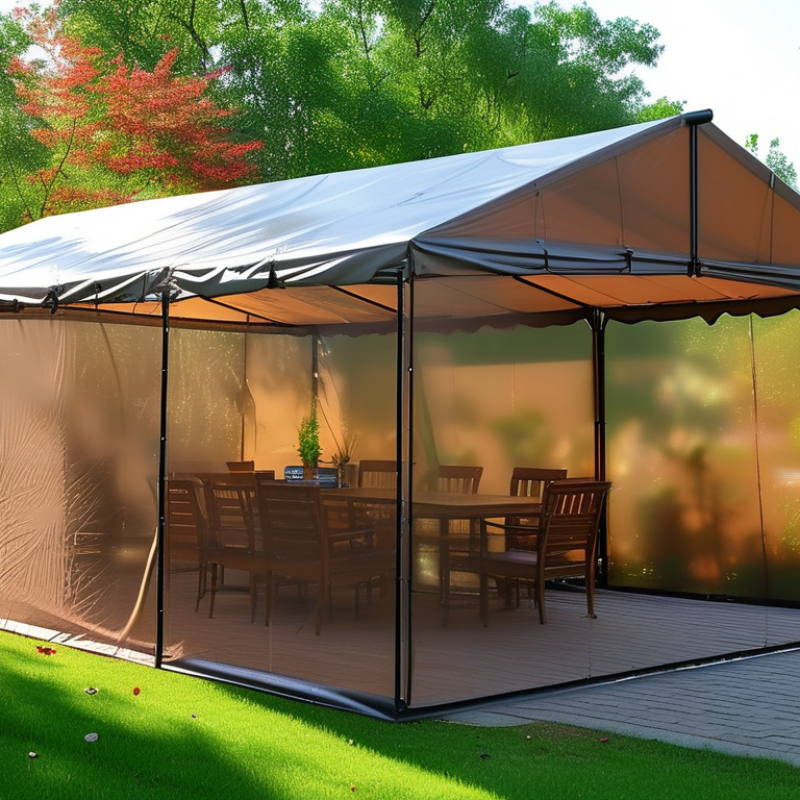
Understanding Waterproof Clear Tarpaulins: Key Features to Consider
When selecting a waterproof clear tarpaulin, there are several key features to consider. The thickness of the material plays a significant role in its durability. Thicker tarpaulins often withstand harsh weather conditions better. However, they can be heavier and less flexible. Balance is critical. Lightweight options may be easier to handle, but they might not provide the same level of protection.
Transparency is another essential factor. Clear tarpaulins allow natural light to pass through while shielding against rain and wind. They can help maintain visibility for outdoor events or protect plants in a greenhouse. However, some cheaper options may not offer the clarity desired. This could affect aesthetics and functionality. Check for UV resistance as well. It prevents the tarp from yellowing over time.
Additionally, consider the seam construction. Reinforced seams can enhance strength and longevity. Poorly sewn edges may lead to leaks or tears. Some tarpaulins come with grommets for easy securing. This feature allows you to tie down or hang the tarp effectively. Remember, a thorough inspection of these features ensures a reliable purchase, though perfection is challenging. Small defects may exist in even the best options.
Different Types of Waterproof Clear Tarpaulins and Their Applications
When looking for waterproof clear tarpaulins, it’s essential to understand the different types available. Each type serves various applications, which can impact your choice. Clear PVC tarpaulins are popular for outdoor events. They provide excellent visibility while protecting against rain and wind. These tarps are often used in outdoor markets or for patio covers.
Polyethylene tarpaulins, on the other hand, offer more versatility. They are lighter and easier to handle. These tarps are commonly used for temporary shelters. They might not always be as transparent as PVC options. However, they can be a cost-effective choice for many situations, such as covering equipment or goods.
It’s important to reflect on your specific needs. Think about the environment where the tarp will be used. Will it be exposed to harsh sunlight or heavy rain? The durability and thickness of the tarpaulin can significantly impact its longevity. A thicker tarp might last longer but could be more cumbersome to handle. Consider all factors before making a decision.
How to Assess the Durability and Quality of Tarpaulins
Evaluating the durability and quality of tarpaulins requires careful consideration of various factors. Look for materials like polyethylene and PVC, known for their resilience. These materials withstand harsh weather and physical stress. Inspect the thickness of the tarpaulin, as thicker options generally offer more strength and longevity. A thickness of at least 0.2mm can indicate quality.
Testing for tear resistance is another crucial aspect. Conduct a simple tug test on a small section. If the fabric holds up under tension, it suggests good durability. Pay attention to the seams as well. Reinforced seams can prevent fraying and enhance the tarp's lifespan. Remember, not all tarpaulins are created equal. Some may disappoint over time.
Additionally, consider the UV resistance of the tarp. UV protection prevents fading and degradation. A tarp that loses color or strength quickly is not reliable. It’s essential to choose wisely, even if it means reconsidering initial options. Always seek information from trusted sources to avoid poor choices. Quality tarpaulins may come with a higher price, but they provide better value in the long run.
Choosing the Right Size and Thickness for Your Needs
When selecting a waterproof clear tarpaulin, size and thickness play crucial roles. The right dimensions ensure a proper fit for your intended use. Measure the area where the tarpaulin will be applied. A tarp that’s too small won't provide adequate coverage. Conversely, an oversized tarp can be cumbersome, leading to wear and tear.
Thickness is another essential factor. According to industry reports, tarpaulins typically range from 4 to 20 mils in thickness. A 10-mil tarp offers decent durability for light outdoor use. For more demanding applications, consider a 20-mil option. It can withstand tough conditions, such as heavy rain or harsh sunlight.
However, thicker tarps can be heavy and less flexible. This may not suit all users. Think about how you plan to store and transport the tarp. A balance between thickness and practicality is necessary for optimal performance. Evaluate your specific needs to avoid unnecessary complications down the line.
Waterproof Clear Tarpaulin Size and Thickness Comparison
Tips for Proper Maintenance and Care of Tarpaulins
When investing in a waterproof clear tarpaulin, proper maintenance is crucial. A well-maintained tarpaulin lasts longer and performs better. Regular cleaning is essential to keep it free from dirt and mold. Use mild soap and warm water for cleaning. Avoid harsh chemicals, as they can damage the material.
Tips for maintaining your tarpaulin include storing it correctly. Always dry the tarpaulin before folding it. This prevents mold growth. If possible, hang it up to air dry. While storing, keep it in a cool, dry place. This minimizes wear and tear from moisture and sunlight.
Another important aspect is checking for damages. Regularly inspect the tarpaulin for tears or holes. These small issues can turn into bigger problems if not addressed. Repair minor damages immediately with a patch kit designed for tarpaulins. This simple act can extend its lifespan significantly.

 +86 19005411400+86 15006803065
 Contact Phone
 Contact Email