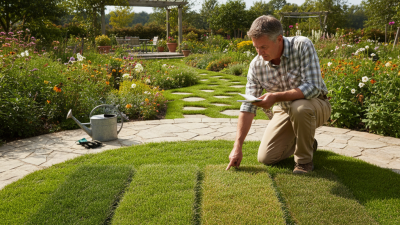
2026 Best Residential Lawn Turf Solutions for Global Buyers?
As homeowners increasingly prioritize outdoor aesthetics, the demand for high-quality Residential Lawn Turf has grown significantly. According to the Global Turfgrass Market Report, the market size for residential turf solutions is expected to reach $6 billion by 2026. This growth reflects a shift in consumer preference towards sustainable and visually appealing green spaces.
Industry expert Dr. Emily Hartman, a renowned horticulturist with over 15 years of experience, emphasizes the importance of selecting the right turf. She states, "Choosing the optimal Residential Lawn Turf can transform a homeowner's landscape, impacting both value and enjoyment." Homeowners must consider climate, soil type, and maintenance needs when making their selection.
However, not all turf solutions are created equal. During the decision-making process, homeowners face challenges such as regional climate variations and potential for disease. Research from the Turfgrass Science Journal highlights that 30% of homeowners select turf without considering their local environment. This oversight can lead to disappointing results. Balancing beauty and practicality is vital for long-term satisfaction in any Residential Lawn Turf project.

Overview of Lawn Turf Types for Residential Use
When choosing lawn turf for residential use, understanding the different types available is crucial. According to the American Society of Landscape Architects, around 60% of homeowners consider natural grass as a key element in their landscape design. Turf provides visual appeal while contributing to environmental health. Cool-season grasses, such as Kentucky bluegrass and fescue, thrive in northern climates, offering rich colors and resilience.
Conversely, warm-season grasses like Bermuda and zoysia dominate southern regions due to their drought resistance. A report from the Turfgrass Water Conservation Alliance indicates that warm-season grasses can save up to 30% more water than their cool-season counterparts when well maintained. However, selecting the right type often leads to oversights. For example, homeowners frequently overlook soil quality and local climate. These aspects play a vital role in the longevity and health of the turf.
Moreover, turf management practices can be daunting. Many homeowners are unaware of the significance of aeration and quality fertilization. Neglecting these can lead to patchy growth and increased pest problems. These lessons highlight the need for continuous education about lawn care. Engaging with local agricultural extensions can provide invaluable insights and resources for effective lawn management.
2026 Best Residential Lawn Turf Solutions for Global Buyers
Benefits of High-Quality Lawn Turf Selection
Choosing high-quality lawn turf is crucial for any property owner. Healthier lawns offer ecological benefits, such as improved air quality and reduced erosion. A report by the Turfgrass Producers International indicated that well-maintained lawns can absorb up to 45% of rainfall, significantly reducing runoff. Investing in durable turf can save water, making it an eco-friendly option.
When selecting turf, consider local climate conditions and soil types. Different grasses thrive in various environments. Some species need more water than others, impacting your long-term costs. For example, cool-season grasses perform well in northern climates. Meanwhile, warm-season varieties are ideal for southern areas. Understanding these specifics can lead to smarter choices.
Tips: Always test your soil before planting. This helps determine the best turf type. Engage with local experts for tailored advice, as they have knowledge about regional conditions. A proven strategy is to choose turf varieties with strong disease resistance, which may reduce maintenance efforts. Remember, a lush lawn doesn't just beautify your space; it enhances the ecosystem. Investing time in research will lead to better results.
Key Factors Influencing Turf Performance
When selecting residential lawn turf, several key factors influence performance.
Soil type plays a critical role.
Sandy soils drain quickly but lack nutrients.
Clay soils retain moisture but can be compacted.
Conducting a soil test can provide insights into nutrient levels and pH balance. This step is essential for developing a thriving turf.
Climate is another important consideration. For example, warm-season grasses thrive where temperatures exceed 80°F, while cool-season types prefer temperatures between 60°F and 75°F.
According to the USDA Plant Hardiness Zone Map, understanding local climate helps choose appropriate turf varieties.
Additionally, drought tolerance is increasingly vital.
A study reported that turf varieties with deep root systems require up to 50% less water.
Maintenance practices cannot be overlooked.
Regular mowing, aeration, and fertilization significantly impact turf health.
Research suggests that lawns mowed at higher heights better withstand stress and pests.
However, many homeowners may overlook the need for consistent care.
Identifying these factors not only aids in selecting the right turf but also ensures long-lasting, vibrant lawns.
Top Lawn Turf Brands and Their Global Availability
When it comes to selecting the right lawn turf, global availability is crucial. Different regions have unique climates and soil types, which can impact turf performance. For buyers around the world, understanding these nuances can lead to successful lawn installations. Popular grass types excel in specific areas, showcasing various durability, aesthetic appeal, and maintenance levels.
It's essential to consider your location's climate. For example, warm-season grasses thrive in sunny, hot regions, while cool-season varieties prefer cooler temperatures. Knowing this can prevent mistakes. A lush green lawn starts with the right choice.
Tips for lawn care include regular mowing and proper watering techniques. In some regions, overwatering can lead to disease. Observation is key. Noticing changes in turf health can guide timely adjustments. Each grass type may require unique care based on your location. Researching specific needs is vital for long-term success. Embrace a learning mindset as you cultivate your lawn.
Maintenance Tips for Optimal Lawn Turf Health
Maintaining a healthy lawn requires a thoughtful approach. Start by regularly checking soil moisture. Too much or too little water can damage your turf. A soil moisture meter can help you gauge the right levels. Aim for one inch of water per week, adjusting based on rainfall.
Mowing is another key aspect. Keep your mower blades sharp for clean cuts. This reduces stress on the grass and promotes growth. It's best to mow when the grass is dry. Avoid cutting more than one-third of the grass height at once. This practice helps retain moisture and encourages stronger roots.
Fertilizing is essential for vibrant turf. Use a balanced fertilizer to provide necessary nutrients. However, over-fertilization can lead to thatch build-up and other issues. Timing is crucial; spring and fall are generally ideal for application. Regularly assess your lawn's health. Observe any changes in color or density. These signs can indicate underlying problems that need addressing.

 +86 19005411400+86 15006803065
 Contact Phone
 Contact Email