How to Choose Rooftop Artificial Grass for Your Space?
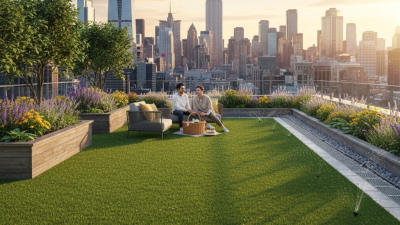
When it comes to urban living, rooftop spaces present unique opportunities for creativity and enjoyment. One significant trend is the use of Rooftop Artificial Grass, which offers both aesthetic and functional benefits. According to landscape designer Sarah Thompson, "Rooftop Artificial Grass transforms any space, giving urban dwellers a slice of nature."
Selecting the right type of artificial grass can be overwhelming. Indoor air and outdoor conditions differ greatly, making material choice crucial. Factors like wear resistance, drainage capability, and color variations are important. High-quality options often come with UV stability, ensuring your space remains vibrant despite sunlight exposure.
However, not all Rooftop Artificial Grass is created equal. Some products may look appealing but lack durability. It's essential to analyze your specific needs. Consider the foot traffic expected and the overall design aesthetics of your rooftop. Creating a functional yet beautiful space requires thoughtful choices that balance style with practicality.
Understanding the Benefits of Rooftop Artificial Grass
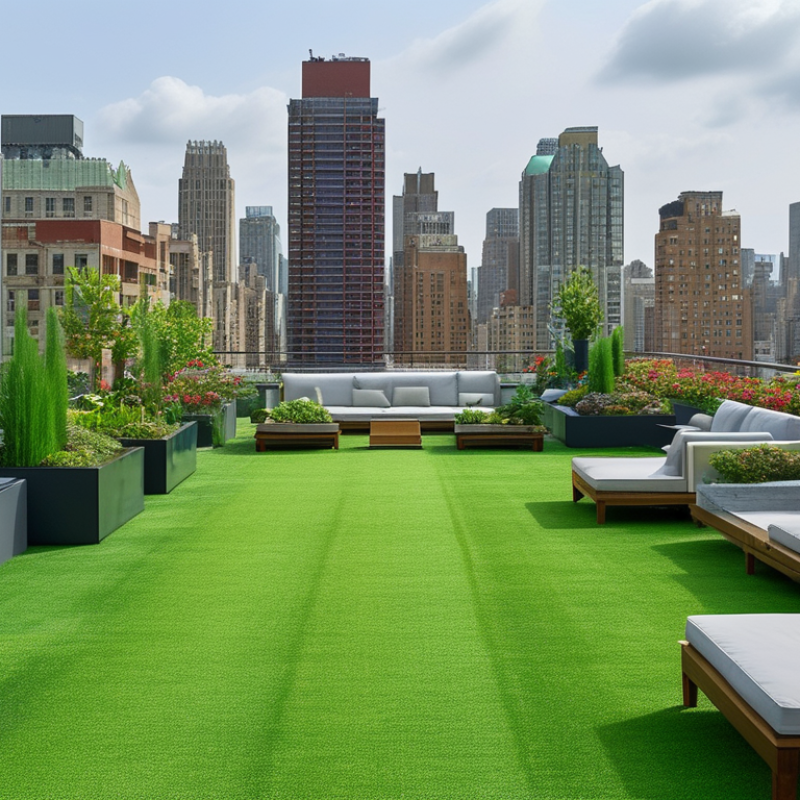
Rooftop artificial grass offers a green oasis high above the city. It transforms bland spaces into vibrant areas for relaxation or socializing. This innovative solution brings nature closer to urban life. It’s easy to maintain and provides a lush look year-round.
One of the key benefits is its durability. Unlike natural grass, artificial turf can withstand heavy foot traffic. It defies harsh weather conditions, providing consistent aesthetics. This can save both time and resources. However, some may find that the initial investment is higher than expected. It’s essential to weigh the long-term benefits against upfront costs.
Another advantage is the environmental impact. Rooftop grass enhances air quality and reduces heat absorption. It can also manage rainwater runoff effectively. Still, careful planning is crucial. Not every rooftop can support the weight of grass. Proper installation is necessary for it to thrive. This is where professional guidance can make a significant difference.
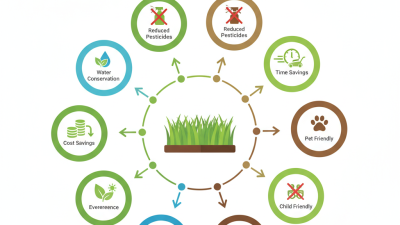
Benefits of Rooftop Artificial Grass
Assessing Your Space: Measurements and Layout Considerations
Choosing the right rooftop artificial grass starts with a clear understanding of your space. Measure the total area where you intend to install the grass. Be precise. Use a tape measure to capture both length and width. This data helps in calculating the square footage required. A well-measured area ensures you purchase enough material without waste. Note any irregular shapes or features that might affect installation.
Next, consider the layout. Think about how sunlight and shade influence your rooftop. Is there a spot that gets too much heat? Or areas often shaded by nearby structures? Sunlight affects grass durability and color retention. An area that receives adequate sunlight ensures a vibrant appearance over time. Aesthetic considerations are also essential. Visualize how the green grass will blend with your existing rooftop decor. Reach out to professionals if you feel uncertain about your design. Their expert opinions can provide valuable perspectives.
Reflect on accessibility as well. If you have a rooftop garden, it’s crucial to consider ease of maintenance. Spaces that are hard to reach may lead to neglect over time. It’s not just about looks; functionality matters too. Take the time to assess these details. Planning now can save you frustration later.
Selecting the Right Type of Artificial Grass for Your Needs
When selecting the right type of artificial grass for your rooftop, consider your climate. Some types tolerate heat better than others. Look at durability. High-traffic areas need more robust options. The pile height can affect both comfort and aesthetics. Taller grass can look lush, but it may be unsuitable for small spaces.
Think about the purpose of the space. Are you creating a play area or a relaxing retreat? Some grass types offer softer textures for comfort. Others are better for durability. Traffic may wear down certain styles quickly. You should also consider drainage. Rooftops require a good drainage system to prevent water pooling.
Not all artificial grass is created equal. Pay attention to the UV stability of the product. Some can fade or lose quality over time. Texture matters too; some materials feel synthetic underfoot. Research materials and ask questions. It’s worth investing time to find the perfect fit for your rooftop garden. Each choice can significantly impact your space's overall vibe.
Evaluating Durability and Maintenance Requirements of Different Options
When selecting rooftop artificial grass, durability and maintenance are crucial factors. Studies indicate that high-quality synthetic grass lasts between 15 to 25 years, depending on usage and environmental conditions. Understanding the material composition is essential. Polyethylene offers a softer feel, while polypropylene is more affordable but less durable.
Maintenance requirements vary significantly. Some options require regular brushing and decompaction to maintain their appearance. Others are more user-friendly and need minimal upkeep. The Environmental Protection Agency suggests that well-maintained artificial grass can reduce water usage by up to 70%. However, neglecting maintenance can lead to issues like uneven growth and unattractive aesthetics. Assess your commitment to maintenance before making a decision.
Additionally, consider the weather in your area. Regions with heavy snowfall may require more robust grass types to withstand winter conditions. On the flip side, extreme heat can degrade certain materials faster. It's vital to select a type that's resilient in your climate. This might also involve accepting that no solution is perfect and finding a balance between aesthetics, durability, and maintenance needs.
Installation Tips and Techniques for Rooftop Artificial Grass
When installing rooftop artificial grass, it’s crucial to ensure a smooth surface. Before installation, clean the area thoroughly. Remove any debris, dirt, or old materials that could disrupt the new grass.
Consider the slope of your rooftop. A slight incline helps with drainage. However, too steep of a slope may require extra securing methods. Using infill or a specialized adhesive can improve stability on sloped surfaces.
Tips for successful installation include ensuring proper drainage. Use a perforated layer underneath the grass. This allows water to flow through and prevents pooling. Pay attention to seams; they should be tightly joined to avoid visible gaps.
A common mistake is ignoring temperature changes. Artificial grass expands and contracts. If not installed properly, this may lead to buckling. Always follow guidelines for outdoor conditions. Your rooftop should be a durable, inviting space for relaxation. Careful planning and execution can make all the difference.

 +86 19005411400+86 15006803065
 Contact Phone
 Contact Email