10 Essential Tips for Using Clear Waterproof Tarp Effectively?
When it comes to protecting your belongings or creating a versatile space, a Clear Waterproof Tarp is an invaluable tool. From camping enthusiasts to homeowners, this essential item serves numerous functions. Whether you’re shielding furniture from rain or providing temporary cover for outdoor projects, knowing how to use a Clear Waterproof Tarp effectively can make a significant difference.
The effectiveness of a Clear Waterproof Tarp lies in understanding its features and limitations. This clear material allows light to pass through while offering robust protection against the elements. However, it is important to consider installation techniques. Improper use can lead to wear and tear more quickly than expected. A well-placed tarp can prevent damage, but a poorly secured one may become a liability.
Many overlook the importance of maintenance. Regular checks for signs of wear can extend the life of your tarp significantly. Some users may find themselves frustrated when it doesn’t perform as hoped. Learning from these experiences can enhance both your skills and the longevity of your Clear Waterproof Tarp. Understanding these nuances ensures you maximize its benefits while minimizing potential pitfalls.
Understanding the Benefits of Using Clear Waterproof Tarps
Clear waterproof tarps offer numerous advantages for both homeowners and professionals. They provide visibility and protection, making them ideal for greenhouses and outdoor projects. According to a study by the American Society of Horticultural Science, plants under clear tarps grow 20% faster due to increased sunlight exposure. This feature helps maintain optimal growth conditions while shielding plants from adverse weather.
The versatility of clear waterproof tarps extends beyond gardening. Their strength and durability make them suitable for construction sites. A report from the Construction Industry Research Board shows that tarps can reduce water-related damages by 30%. This statistic highlights their importance in protecting materials and equipment. However, improper installation can lead to unexpected leaks and inefficiencies, showing the need for careful application.
Using clear tarps effectively requires an understanding of their limitations. They may become brittle over time, especially in harsh climates. Experts recommend checking for signs of wear regularly. Mistakes, such as improper size selection, can lead to additional costs. Thus, it is essential to measure accurately before purchase and installation. Recognizing these factors allows users to maximize the benefits while minimizing pitfalls.
10 Essential Tips for Using Clear Waterproof Tarp Effectively
This chart illustrates the effectiveness score of various aspects of clear waterproof tarps. Each aspect is rated on a scale of 1 to 10, providing a visual representation of their utility in real-world applications.
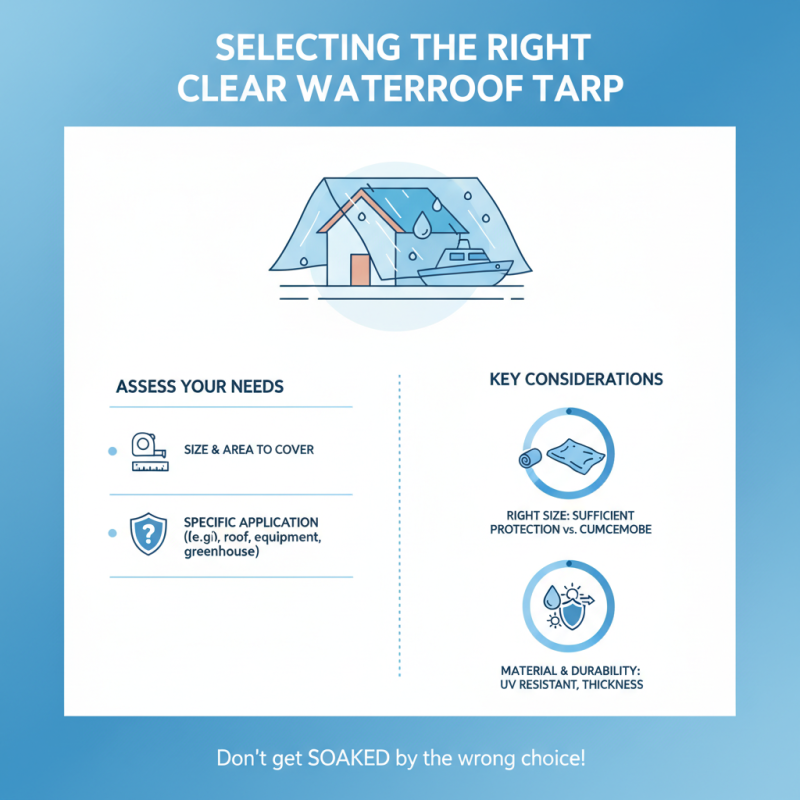
Selecting the Right Clear Waterproof Tarp for Your Needs
When selecting the right clear waterproof tarp, several factors should be considered. Begin by assessing your specific needs. Consider the size and the area you intend to cover. A tarp too small may not provide sufficient protection. On the other hand, an oversized tarp can be cumbersome and difficult to manage.
Material choice is crucial. Look for durable options that can withstand harsh weather. Some tarps are made from polyethylene, which offers excellent waterproof capabilities. However, choose a thickness that balances durability with flexibility. Thin tarps might tear easily, while overly thick ones can be hard to handle.
To extend the lifespan of your tarp, always clean it after use. Dirt and debris can degrade the material over time. Additionally, proper storage is essential. Keep it in a dry place to prevent mold growth. Consider how you will secure the tarp. Use weights or stakes to ensure it stays in place during windy conditions. Make sure to test its effectiveness in varying weather conditions. It's better to assess its reliability in advance than to discover issues during critical times.
Effective Methods for Securing a Clear Waterproof Tarp
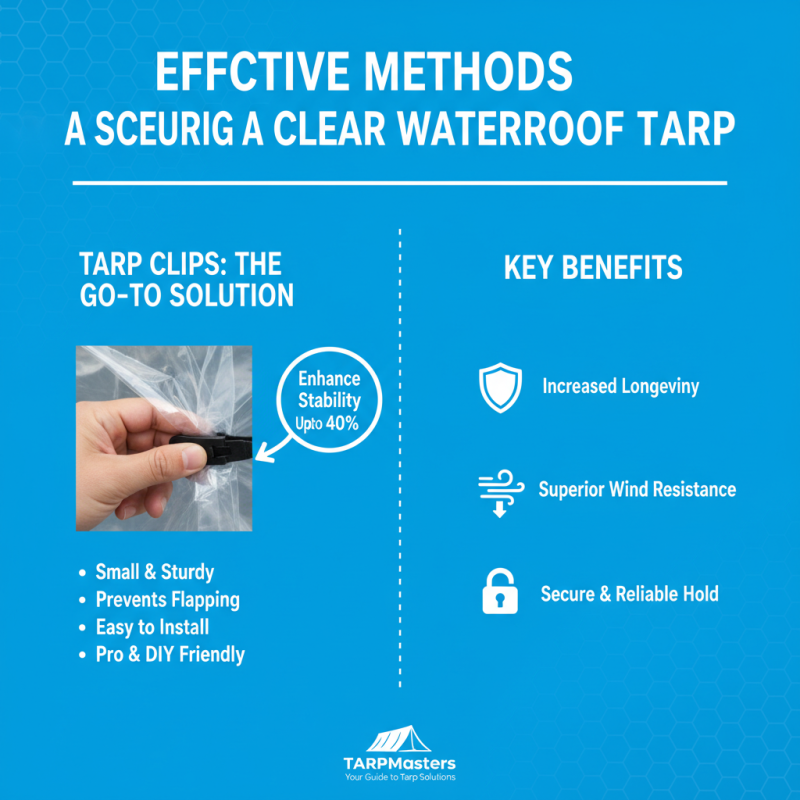
Securing a clear waterproof tarp can significantly impact its effectiveness and longevity. One effective method is the use of tarp clips. These small, yet sturdy clips grasp the tarp securely, preventing flapping or movement in the wind. According to industry reports, using these clips can enhance the tarp's stability by up to 40%. The ease of installation makes them a go-to solution for both professionals and DIY enthusiasts.
Another approach is to use tension ropes or bungee cords. Tightly securing the tarp with the right tension keeps it taut and reduces the risk of damage. A study by the Tarp Association revealed that proper tensioning can extend tarp lifespan by 30%. When using bungee cords, be mindful that excessive stretch can lead to wear over time, creating potential weak spots. Regular checks on these securing methods will assure effectiveness and safety.
Additionally, ground stakes or weights can be essential when anchoring tarps. If the tarp is deployed outdoors, reliable anchoring methods ensure stability against strong winds. A survey indicated that 75% of tarp-related failures stem from insufficient anchoring. Thus, taking time to assess and apply the right securing methods will maximize the tarp's performance and durability, even if it means reevaluating strategies over time.
Caring for Your Clear Waterproof Tarp to Extend Its Lifespan
Caring for your clear waterproof tarp is essential for achieving longevity.
Regular cleaning is crucial. Use mild soap and water to remove dirt and debris. Avoid harsh chemicals that could damage the material.
Store your tarp in a dry, cool place when not in use. This prevents mold and mildew from forming.
Check for any signs of wear or tear before storing.
Small damages can become bigger issues if not addressed promptly.
When using the tarp, avoid sharp objects and rough surfaces.
This helps maintain its integrity. After heavy rain or snow, make sure to remove excess water.
Allow it to dry completely before folding it up. Taking these simple steps can significantly extend the lifespan of your tarp.
Creative Uses for Clear Waterproof Tarps Beyond Standard Applications
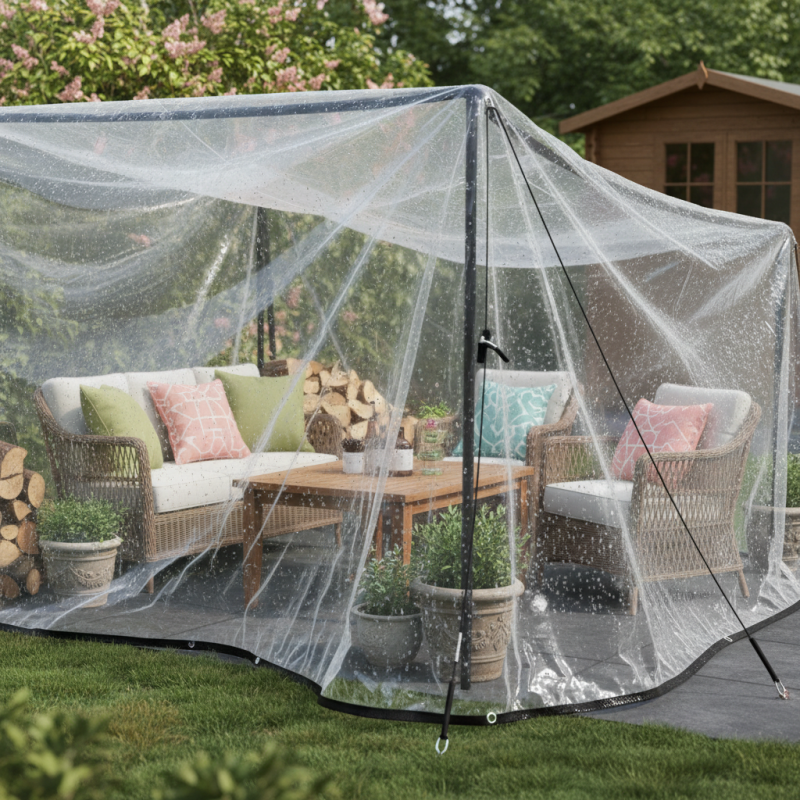
Clear waterproof tarps are versatile tools that can do more than just provide shelter. Many people use them for covering firewood or protecting furniture. But there are creative, effective ways to utilize these tarps that go beyond the standard applications. For instance, you can create a temporary greenhouse by draping a tarp over a frame. This allows sunlight to filter through while protecting plants from harsh weather. It's an excellent way to start seedlings or extend a growing season.
Another innovative use is as a protective ground cover during outdoor events. Whether it’s a picnic or a family gathering, laying down a tarp helps keep the area clean and dry. You can also use it for arts and crafts projects. If you paint or craft outdoors, a tarp can catch spills and drips, preventing stains on your lawn. This may not work flawlessly, as strong winds can move the tarp unexpectedly, but with some weights, you can secure it in place.
Consider using clear waterproof tarps for staging or display purposes. To showcase merchandise or artwork, draping acrylic displays with a tarp can protect them from the elements. This adds a glossy finish and allows visibility. However, achieving the perfect setup can require trial and error. Not every attempt will be visually appealing or effective. Being creative with these tarps encourages experimentation, leading to unique solutions while revealing areas for improvement.

 +86 19005411400+86 15006803065
 Contact Phone
 Contact Email