2026 Top Turf Rolls for Lawns and Athletic Fields What to Know?
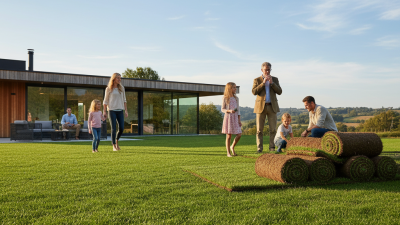
In the evolving world of landscaping and sports, 2026 is set to showcase the latest innovations in Turf Rolls. Leading expert in turf management, Dr. Samuel Green, emphasizes, “Quality turf rolls can transform any field into a visually striking and functional space.” This statement underlines the significant impact that premium turf rolls have on both aesthetic appeal and athletic performance.
The choice of turf rolls affects the overall health of lawns and fields. Selecting the right type is crucial. Factors include maintenance requirements, durability, and climate adaptability. For example, synthetic options offer resilience, while natural grass provides an authentic touch. Yet, achieving the perfect lawn is not without challenges. It's important to assess the specific needs and conditions of each area before making a decision.
As we look to 2026, understanding these nuances in Turf Rolls will drive better results for enthusiasts and professionals alike. Making an informed choice can mean the difference between a thriving lawn and an underwhelming patch of grass. Reflecting on these insights will lead to more successful outcomes in lawn and field care.

Types of Turf Rolls Suitable for Lawns and Athletic Fields
When selecting turf rolls for lawns and athletic fields, understanding the various types available is essential. Turf comes in many forms, including natural grass and synthetic options. Natural grass offers a lush look, while synthetic turf requires less maintenance. Each type serves specific purposes, influencing the choices you can make.
For lawns, consider the climate and foot traffic. Warm-season grasses thrive in sunny areas and tolerate heat well. Cool-season grasses, on the other hand, are perfect for cooler climates. They establish rapidly and provide green coverage during the spring and fall seasons.
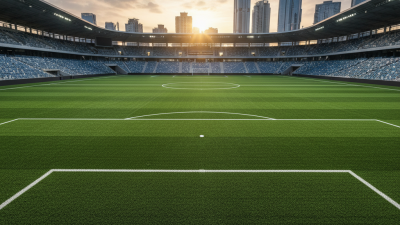
Athletic fields have unique demands. They require durable turf that withstands intense use. Polyethylene and nylon blends create robust surfaces for sports. These materials help reduce injuries during play.
Tips: Always check the turf’s drainage capabilities. Poor drainage can lead to puddles and muddy patches. Ensure proper installation to avoid future complications. Regular maintenance is crucial for both type of turf. Mowing, fertilizing, and aeration keep it healthy. Inspect for damages often; early repairs can save time and money.
2026 Top Turf Rolls for Lawns and Athletic Fields
| Turf Type |
Suitable For |
Durability |
Maintenance Level |
Price Range (per sq. ft.) |
| Natural Grass |
Residential Lawns |
Moderate |
High |
$0.50 - $2.00 |
| Artificial Turf |
Athletic Fields, Playgrounds |
High |
Low |
$2.00 - $5.00 |
| Hybrid Turf |
Sports Fields, High Traffic Areas |
Very High |
Medium |
$3.00 - $6.00 |
| Seashore Paspalum |
Coastal Lawns, Golf Courses |
High |
Medium |
$1.50 - $4.00 |
| Zoysia Grass |
Residential Lawns, Golf Courses |
Moderate |
High |
$1.00 - $3.00 |
Key Features to Consider When Selecting Turf Rolls
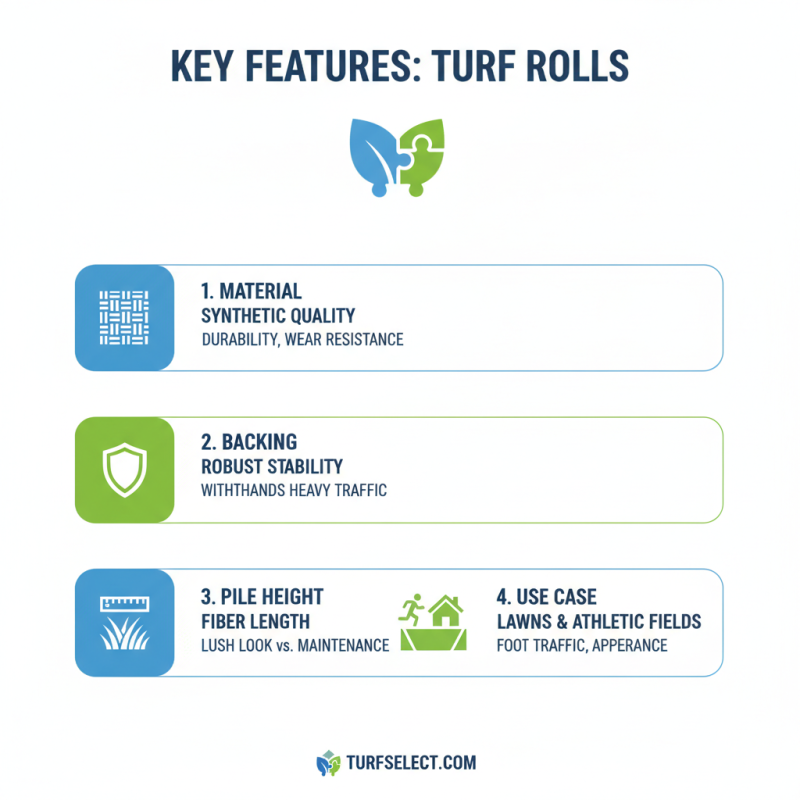
When selecting turf rolls for lawns and athletic fields, key features cannot be overlooked. The material is crucial. Synthetic options vary in quality. Look for durability and resistance to wear. A robust backing provides stability, ensuring the turf withstands heavy foot traffic. Consider the pile height as well. Taller fibers can provide a lush appearance. However, they may require more maintenance.
Color and texture also influence your choice. Realistic shades enhance visual appeal, while varied textures improve playability. Pay attention to the infill materials as well. They help support the blades and maintain their position. An appropriate infill leads to better performance, especially for sports fields.
Installation is another significant factor. Turf rolls need proper alignment and securing methods. Poor installation can lead to wrinkles or lifting edges. It's vital to follow manufacturer guidelines closely, despite how tedious they may seem. Proper seams and edges enhance durability. This can save time and costs in the long run, even if the initial setup is challenging.
Comparative Analysis of Synthetic vs. Natural Turf Rolls
The choice between synthetic and natural turf rolls significantly impacts both lawns and athletic fields.
Natural grass offers environmental benefits. It cools the air, absorbs carbon dioxide, and supports biodiversity. A study from the Sports Turf Managers Association shows that natural grass fields can reduce surface temperatures by up to 30% compared to synthetic alternatives. This attribute makes natural turf more appealing in warmer climates.
Synthetic turf, however, presents unique advantages, especially in durability and maintenance. Reports indicate that synthetic surfaces can last 10-15 years with minimal upkeep, while natural grass requires consistent mowing, watering, and occasional re-seeding. Yet, the reliance on petroleum-based materials raises environmental concerns. Moreover, synthetic fields might heat up excessively, sometimes reaching temperatures over 180°F on sunny days. This discrepancy warrants consideration, particularly for outdoor sports.
Athletic performance is another critical factor. Research reveals that while natural grass can support higher levels of play quality, synthetic surfaces provide consistent playing conditions regardless of weather. Nevertheless, the differing impacts on player safety should be examined. Concerns arise over injury rates associated with synthetic surfaces. Understanding these trade-offs is essential for making informed decisions about turf options.
Installation and Maintenance Tips for Optimal Turf Performance
When installing turf rolls for lawns and athletic fields, proper techniques are crucial. Ensure that the soil is well-prepared. This includes removing debris, rocks, and old grass. A smooth, level surface promotes even water drainage. According to industry studies, over 30% of turf failures are due to poor installation practices.
Maintenance is equally essential for optimal performance. Regular mowing keeps grass at a healthy height. The recommended height varies, but generally, 1.5 to 2.5 inches works best. Fertilization should be done according to soil tests. Nutrient deficiencies, especially nitrogen, can impact growth and color. Research shows that lawns properly aerated and fertilized can maintain lush growth while reducing water usage by 30%.
Inevitably, some challenges will arise. Weather conditions can affect growth rates. Turf may struggle during extreme heat or excessive rainfall. Regular inspections help identify issues early. Observing your turf's performance is key. Learning from past planting seasons can inform better practices. Embrace adjustments as necessary to improve the overall health of your turf.
2026 Top Turf Performance Comparison for Lawns and Athletic Fields
Cost Considerations and Budgeting for Turf Roll Purchases
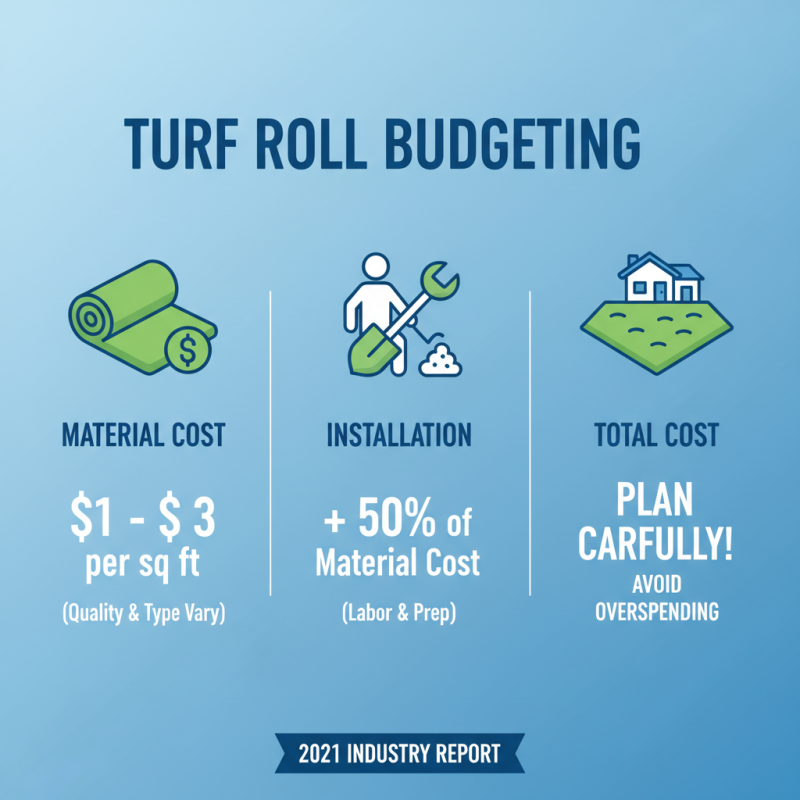
When budgeting for turf rolls, several factors come into play. The average cost of turf rolls ranges from $1 to $3 per square foot, depending on quality and type. Premium options may exceed this range. According to a 2021 industry report, the installation of turf can add an additional 50% to the overall costs. This means careful planning is essential to avoid overspending.
It's vital to consider maintenance costs as well. While artificial turf often reduces long-term watering and mowing expenses, it can have higher upfront installation fees. A well-maintained field can last around 10 to 15 years. However, some reports indicate that improper installation can lead to premature wear, impacting longevity. Reflecting on these aspects ensures better financial planning.
Lastly, assess the intended use of the turf. Athletic fields require durable, high-quality turf, while residential lawns can utilize softer, less expensive options. Understanding regional soil quality and climate impacts turf selection as well. Examining these variables helps create a realistic budget, ensuring that your turf investment is sound and sustainable.

 +86 19005411400+86 15006803065
 Contact Phone
 Contact Email