 +86 19005411400+86 15006803065
Leave Your Message
-
Contact WhatsApp
-
 Contact Phone
-
 Contact Email
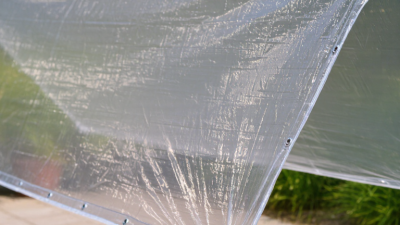
A Clear Canopy Tarp can make a covered space feel open while helping shield people and equipment from rain and wind. But clear material is not automatically durable material. Buyers should compare film thickness, UV treatment, seam construction, reinforced edges, and the quality of grommets. Ask for a current specification sheet. Request a sample, too. Hold it near a window and check for haze, creases, and uneven coating.
For transparency, the expert voice below is illustrative, not a verified quotation: fictional sourcing adviser Daniel Mercer says, “A clear panel is only as dependable as its seams, coating, and care instructions.” That is a useful test. A glossy product photo cannot show how a tarp performs after repeated folding or exposure to sunlight. Nor does a low unit price tell the full story. Freight costs, minimum order quantities, packaging, and production consistency matter.
This guide introduces manufacturers serving global buyers and outlines practical points for comparing them. It considers product range, customization, quality documentation, communication, and sample availability. Buyers should confirm details directly with each supplier; specifications and lead times can change. A small omission can matter. Color, dimensions, and attachment spacing should be agreed in writing before production. Even careful sourcing has limits, and one detail is easy to overlook: how the tarp will be stored between uses.
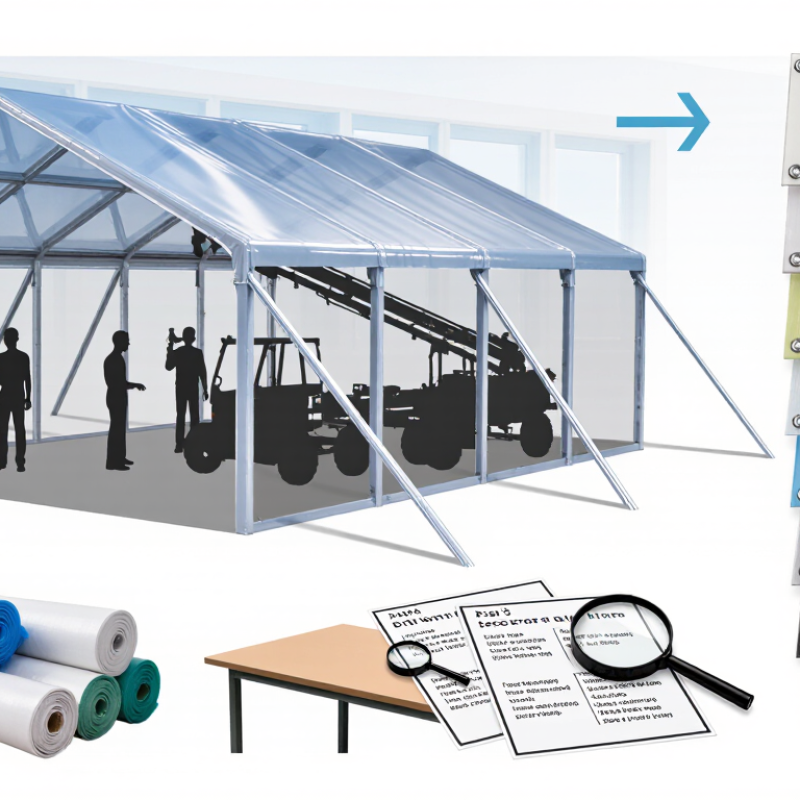
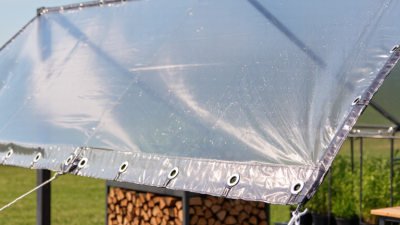
Clear canopy tarps are flexible sheets designed to let daylight pass through while offering a barrier against wind and rain. They are commonly made from clear or translucent vinyl, with reinforced edges and metal grommets for fastening. Some versions use polyethylene, so buyers should check material details rather than assume all clear tarps perform alike. Light matters.
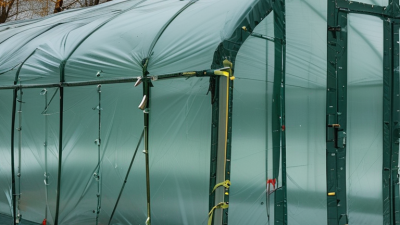
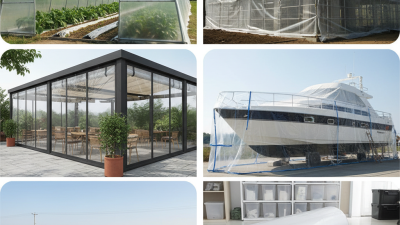
These tarps can form sidewalls for event canopies, cover patio openings, or shield equipment and stored materials from weather. On a chilly morning, a well-secured panel can reduce drafts while keeping a view of the garden. For temporary plant protection, clear sheeting can admit light, but it is not automatically a purpose-built greenhouse cover. Heat and moisture may build up inside, so ventilation is important.
When choosing a tarp, inspect seam construction, thickness, attachment spacing, and stated UV resistance. Match the size to the frame, and allow for movement in wind; a loose edge can flap and wear quickly. Clear panels can also become cloudy or scratched with frequent handling. A clear space may still feel boxed in, which is easy to overlook. These covers provide weather protection, not structural support, and should not replace a properly designed canopy frame.
| Buyer Consideration | Typical Product Details | Common Uses | What to Confirm with a Manufacturer |
|---|---|---|---|
| What a clear canopy tarp is | A flexible transparent or translucent sheet, commonly made from PVC, used as a roof panel, wall panel, or weather enclosure for a canopy or frame. | Temporary shelters, event structures, covered walkways, patio enclosures, and equipment protection. | Ask for the material description, intended application, and whether the product is designed for use as a roof, a wall, or both. |
| Material and visibility | Clear PVC is widely used where visibility and weather protection are desired. Transparency, flexibility, and surface finish vary by product. | Viewing areas, outdoor dining spaces, market stalls, and event enclosures where daylight or outward visibility is useful. | Request a physical sample or product images in natural light. Confirm whether the sheet is clear, tinted, or translucent and whether visibility is affected by texture or coatings. |
| Thickness and weight | Available in different thicknesses and weights; heavier material may feel more substantial but can also be harder to handle. No single specification suits every structure. | Selection depends on the panel size, frame design, frequency of use, handling needs, and expected exposure. | Compare the stated thickness and weight per area, and check that the figures use consistent units. Match the specification to the frame and installation method. |
| Edges and attachment | Panels may have reinforced hems, sewn or welded edges, and attachment points such as grommets or straps. Construction differs between products. | Securing panels to canopy frames, fastening sidewalls, or creating removable enclosures. | Confirm hem construction, attachment-point spacing, hardware material, finished dimensions, and compatibility with the intended frame. |
| Weather protection | A properly fitted panel can help block wind and rain, but performance depends on the material, seams, fastening, slope, and installation. | Seasonal enclosures and temporary protection from rain and wind around outdoor spaces. | Ask how seams are joined, how water should drain, and what installation conditions are recommended. Do not assume a tarp makes a structure safe in severe weather. |
| UV and outdoor exposure | UV resistance and long-term outdoor durability are product-specific; clear material can age or change appearance with exposure and use. | Canopies used outdoors for events, patios, or seasonal storage. | Request documented test information or written guidance on UV exposure, expected care, storage, and any product limitations. |
| Custom sizing and fabrication | Manufacturers may offer custom-cut panels, different edge finishes, and layouts tailored to a particular frame. | Replacement panels, non-standard canopy frames, and installations requiring specific door or window openings. | Provide a dimensioned drawing, including finished panel size, hem allowance, attachment locations, openings, and measurement units. |
| Cleaning and storage | Care instructions depend on the material and surface treatment. Clean panels gently and store them dry, folded or rolled as directed by the supplier. | Reusable event covers, removable sidewalls, and seasonal canopy panels. | Ask which cleaning products are suitable, whether abrasive tools should be avoided, and how to prevent creasing or surface damage during storage. |
| Global purchasing checks | Specifications, terminology, packing methods, and shipping arrangements can differ across suppliers and markets. | Import orders, replacement purchases, and projects involving multiple panels or installations. | Confirm units, tolerances, sample approval, packaging, lead time, shipping terms, applicable documentation, and the process for resolving defects or measurement issues. |