Iquiry Now
Leave Your Message

Why Choose Pet Artificial Grass for Commercial Projects?

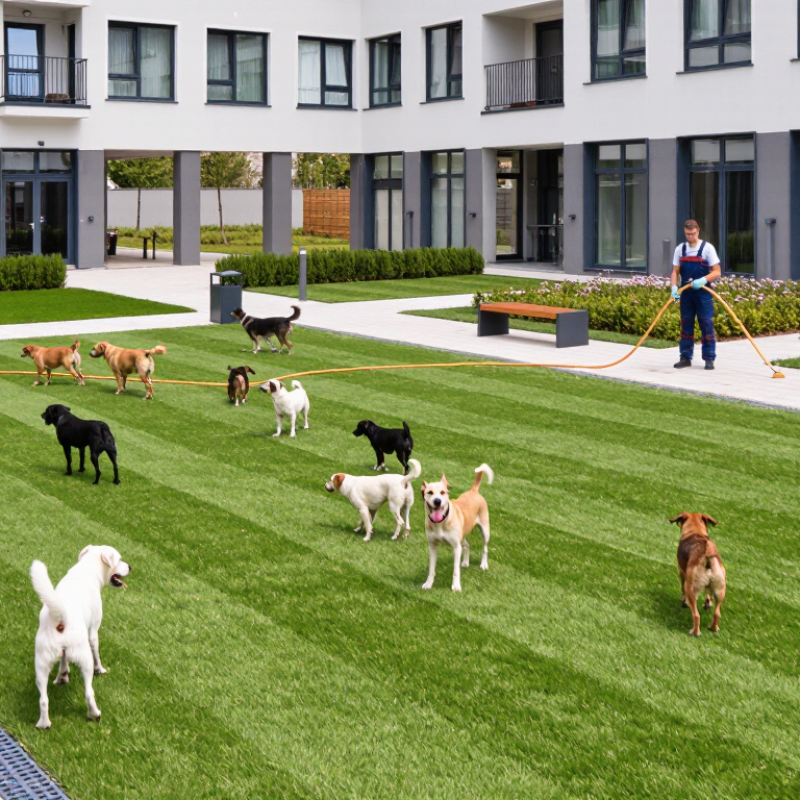
Commercial spaces need surfaces that remain attractive under constant use, changing weather, and demanding maintenance schedules. Pet Artificial Grass offers a practical option for apartment courtyards, dog daycare centers, hotels, retail parks, and workplace outdoor areas. Its even green surface creates a cleaner visual impression than worn soil or patchy natural turf. It also provides a consistent area where pets can walk, play, and relieve themselves.

The strongest systems combine durable synthetic fibers, a stable backing, effective drainage, and suitable infill. These details matter more than color alone. For example, a busy dog daycare may need fast drainage beneath the surface, washable fibers, and edges that resist lifting. Facility managers should also check odor-control methods, cleaning access, UV resistance, and expected foot traffic before choosing a product. Manufacturer testing and clear installation guidance can support more reliable decisions.

Still, Pet Artificial Grass is not maintenance-free. Hair, leaves, mud, and waste can collect between the blades, especially near entrances. Regular rinsing, surface brushing, and prompt cleaning remain necessary. A poorly prepared base may cause puddles or uneven areas, even when the grass looks premium. This is an easy point to overlook. Site conditions, local drainage rules, pet numbers, and cleaning routines should shape the specification. When these factors are reviewed honestly, artificial grass can support a safer-looking, more manageable commercial environment without promising perfection.
Why Choose Pet Artificial Grass for Commercial Projects?

What Is Pet Artificial Grass for Commercial Projects?

Commercial pet artificial grass is a synthetic outdoor surface designed for high-use animal areas. It commonly uses resilient polyethylene blades, a perforated backing, and a drainage-ready base. These features help the surface handle paws, frequent cleaning, and concentrated foot traffic.

For commercial projects, installation quality matters as much as the turf itself. A compacted stone base supports stable movement and reduces uneven spots. Drainage channels should guide rinse water away from buildings and shared walkways. In site evaluations, installers often check seams, edges, slope, and access for maintenance equipment. Small failures can become expensive repairs.

Cleaning crews usually remove solid waste, rinse the surface, and inspect busy zones regularly. Enzyme-based cleaners may help control organic odors when used according to the surface supplier’s guidance. It is not maintenance-free. Poor drainage can leave a sour smell after warm weather, while weak edging may curl under repeated traffic. Some operators also underestimate shade, snow, or nearby dust. A practical design allows easy hose access, safe turning space, and quick replacement of damaged sections. That may sound simple, but daily operations often expose details that drawings miss.
How Pet Artificial Grass Supports Safety, Hygiene, and Cleanliness

Why Choose Pet Artificial Grass for Commercial Projects?

Commercial pet areas need more than a green appearance. According to the American Pet Products Association’s 2023–2024 National Pet Owners Survey, 66% of U.S. households own a pet. That equals nearly 87 million households. Commercial exposure is significant.

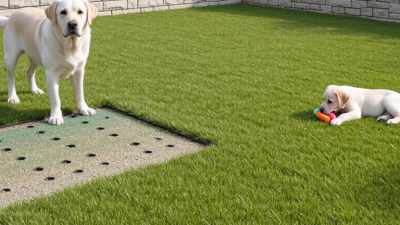
Pet artificial grass can support safer, cleaner public spaces when installed correctly. A stable, permeable base helps reduce puddles and muddy paw traffic. Secure seams and covered edges also limit trip hazards. Some systems use antimicrobial infill, but it should not replace routine cleaning. No surface is self-cleaning.

Sanitation depends on maintenance, drainage, and staff behavior. Teams should remove feces promptly, rinse high-use zones, and inspect seams daily. Enzyme-based cleaners may help control organic residue, subject to the surface manufacturer’s instructions. The CDC reports that proper hand hygiene can reduce diarrheal illnesses by 23–40% and respiratory infections by 16–21%. Handwashing stations near pet zones therefore deserve serious planning. Still, drainage can fail when the sub-base is poorly designed. That uncomfortable detail is often overlooked. Independent slip, impact, and drainage testing can provide stronger evidence than appearance alone. Regular inspections create a record, improve accountability, and reveal problems before odors or contamination spread.

Why Choose Pet Artificial Grass for Commercial Projects? — How Pet Artificial Grass Supports Safety, Hygiene, and Cleanliness
Evaluation Dimension Relevant Data or Benchmark How Pet Artificial Grass Supports Commercial Use Recommended Verification Method
Drainage performance Measure water permeability in litres per square metre per hour (L/m²/h). Actual performance depends on the turf backing, sub-base, seams, and site drainage. Perforated backing and a properly prepared aggregate base can allow urine, rainwater, and cleaning water to pass below the surface instead of remaining in standing puddles. Request a manufacturer drainage test and confirm that the installed sub-base and stormwater system can accept the expected flow.
Slip and trip safety There is no single universal slip-resistance value for all pet turf systems. Risk is affected by wetness, surface contamination, pile height, edging, seams, and transitions. A level, securely installed surface with closed seams and stable edging can reduce trip hazards compared with loose ground cover or uneven soil. Inspect seams, edges, transitions, and drainage after rain or cleaning. Use an appropriate wet-slip test where required by the project specification.
Impact protection ASTM F1292 is used to evaluate impact attenuation for playground surfacing. Pet turf should not be described as playground-compliant unless the complete installed system has been tested. Artificial grass may provide a softer walking and play surface than concrete, but its impact performance depends on the turf, infill, shock pad, and sub-base as a complete system. For areas where falls are a design concern, request third-party testing of the complete surface assembly to the applicable local standard.
Urine and odour management Odour control requires three elements: rapid drainage, regular removal of solid waste, and an appropriate cleaning or bio-enzymatic maintenance program. Unlike absorbent soil or carpet-like indoor flooring, a permeable turf system can be rinsed and cleaned when the base and drainage design are suitable. Review the cleaning chemical instructions, dilution rates, rinse requirements, and odour-control procedure before opening the site.
Solid-waste removal Remove visible pet waste promptly and inspect high-use zones at least daily during operating periods. Higher-traffic facilities may require checks several times per day. The consistent surface makes waste easier to identify and collect than irregular soil, gravel, or mulch surfaces. Use a written inspection log covering entrances, relief areas, corners, and other high-use locations.
Routine cleaning A practical commercial schedule is daily spot cleaning, frequent rinsing based on use, and periodic deep cleaning. The exact frequency must reflect traffic, weather, and local regulations. A planned maintenance program helps limit organic residue, odour, and visible soiling while preserving drainage performance. Set cleaning frequencies using visitor numbers, animal occupancy, rainfall, temperature, and measured odour or residue complaints.
Disinfection compatibility Use only cleaners and disinfectants approved for the specific turf, backing, infill, and drainage system. Never assume that stronger chemicals provide better results. Controlled product selection helps avoid backing damage, residue build-up, colour change, and reduced drainage. Obtain the product safety data sheet and manufacturer compatibility statement. Follow the label contact time and rinsing instructions.
Surface temperature Artificial surfaces can become hotter than surrounding air in direct sunlight. Dark colours, low wind, and limited shade can increase surface temperature. Shade structures, trees, appropriate operating hours, and water rinsing can improve comfort during hot weather; colour alone does not guarantee a cool surface. Measure the surface with an infrared thermometer during the hottest expected operating period and establish a heat-management plan.
Microbial hygiene Artificial grass is not inherently sterile or self-sanitising. Microbial levels depend on waste removal, moisture control, cleaning, and environmental conditions. A non-absorbent, cleanable surface can support more consistent hygiene procedures than porous finishes that retain organic matter. Base hygiene claims on documented cleaning procedures and, where required, independent swab testing or local public-health guidance.
Durability and maintenance Service life varies with fibre quality, UV exposure, traffic, anchoring, infill, and maintenance. There is no reliable universal lifespan for every installation. A stable surface can reduce mud tracking, erosion, and repetitive regrading associated with natural soil in high-use pet areas. Review traffic classification, UV testing, seam specifications, warranty exclusions, and a replacement plan for heavily used zones.
Accessibility and cleanliness around entrances Keep walking routes firm, stable, level, and free from loose debris. Accessible-route requirements vary by jurisdiction and project type. A properly installed artificial-grass area can help reduce mud transfer to buildings, vehicles, and indoor circulation routes. Check the finished installation against applicable accessibility regulations, including slopes, thresholds, edges, and surface stability.
Environmental and chemical runoff control Cleaning products and waste water must be managed according to local sewer, stormwater, and environmental requirements. Defined drainage paths and controlled cleaning procedures help prevent uncontrolled discharge from commercial pet areas. Confirm discharge permissions, drainage connections, spill-response procedures, and any required pretreatment before construction.
Important specification note: Performance depends on the complete installed system—not turf alone—including the backing, seams, infill, shock pad where applicable, sub-base, drainage, cleaning chemicals, operating procedures, and local regulations. Relevant references may include ASTM F1292 for impact attenuation where applicable, local accessibility requirements, public-health guidance, and chemical product labels.

Key Features to Evaluate Before Choosing Pet Turf

Commercial pet areas need more than an attractive green surface. The American Pet Products Association’s 2023–2024 National Pet Owners Survey reports that 66% of U.S. households own a pet. That ownership level increases pressure on hotels, offices, apartments, and daycare facilities to provide cleaner outdoor spaces.

Evaluate drainage before appearance. A permeable backing should move urine and rainwater away quickly, while a stable sub-base prevents puddles and odors. Ask for tested flow-rate data, not vague claims. Pile height also matters. Shorter fibers are easier to rinse and less likely to mat under frequent traffic. Rounded, resilient fibers can improve comfort for paws and reduce visible wear near entrances.

Cleanability deserves close attention. Check whether the turf tolerates routine rinsing, enzyme treatments, and commercial vacuums. Some infill systems may control odor, but performance depends on installation and maintenance. The Carpet and Rug Institute reports that regular soil removal extends flooring performance; pet turf follows the same practical principle. Small debris still needs daily attention.

Safety is easy to overlook. Request independent testing for impact, slip resistance, drainage, and material composition. ASTM methods can help structure these questions, but they do not replace site-specific evaluation. Dark turf may become hot in direct sun. Shade, irrigation, and staff procedures matter. We have seen attractive installations fail because maintenance access was ignored. The cheapest specification is often the least forgiving.

Where Commercial Pet Artificial Grass Can Be Used

Commercial pet artificial grass suits spaces where animals gather, play, wait, or relieve themselves daily. Its consistent surface helps businesses create cleaner, safer, and more manageable outdoor areas.

Pet daycare centers can use it in play yards, training zones, and supervised rest areas. Boarding facilities may install it beside kennels, giving dogs a familiar place for short breaks. Veterinary clinics and grooming salons can also create compact relief corners near entrances. These areas reduce muddy footprints before pets return indoors.

Apartment communities often place pet artificial grass on shared rooftops, balconies, and designated relief stations. Hotels can use it for guest pet areas, especially where natural soil is unavailable. Restaurants with pet-friendly patios may add a small grass section away from dining tables. It feels more intentional than bare concrete.

It is not maintenance-free.

A reliable installation needs proper drainage, stable edging, and regular removal of solid waste. Odor control also depends on rinsing frequency, local weather, and daily traffic. One practical mistake is treating every commercial area the same. A busy daycare needs stronger drainage than a small office courtyard. High-use zones may require deeper cleaning and more frequent inspection. In my view, the best layouts separate play, rest, and relief areas whenever space allows. This improves hygiene, although limited sites may force compromises. Surface temperature also matters under direct sunlight, so shaded sections deserve careful planning.

How to Install and Maintain Pet-Friendly Artificial Grass

Why Choose Pet Artificial Grass for Commercial Projects?

Pet-friendly artificial grass can make commercial spaces cleaner, safer, and easier to manage. It works well in dog daycare areas, apartment courtyards, veterinary facilities, and outdoor relief zones. However, good results depend more on installation than appearance. Start with drainage. Remove loose soil, compact the ground, and build a stable, free-draining base with suitable aggregate. A gentle slope helps urine and rainwater move away from busy areas.

Install a permeable backing over the prepared base, then secure the grass with outdoor fasteners. Join seams carefully, because raised edges can collect debris and create trip hazards. Cut around posts, drains, and gates with a sharp blade. Leave enough space for water flow. That detail matters. Pet-safe infill may improve blade recovery, but it should be selected for the site’s drainage and cleaning needs. Always follow the product’s technical instructions and local construction requirements.

Maintenance should be regular and practical. Remove solid waste promptly, rinse high-use areas, and brush flattened fibers with a stiff, non-metallic broom. Use a cleaner designed for synthetic turf, and test it on a hidden section first. Check it weekly. Inspect seams, edges, drainage points, and surface firmness. In practice, no surface stays perfect. Heavy traffic can expose weak preparation, while poor drainage may create lingering odors. A maintenance log helps staff notice small problems before they become expensive repairs.

Why Choose Pet Artificial Grass for Commercial Projects?

Typical installation layer thicknesses for a durable, pet-friendly artificial grass system.

A compacted sub-base is typically the thickest layer because it provides stability and drainage. A thinner leveling layer creates a smooth surface, while the artificial grass pile completes the finished system. Actual specifications should be adjusted for soil conditions, drainage requirements, traffic levels, and local building standards.