2026 Best Football Field Artificial Turf Buying Guide?
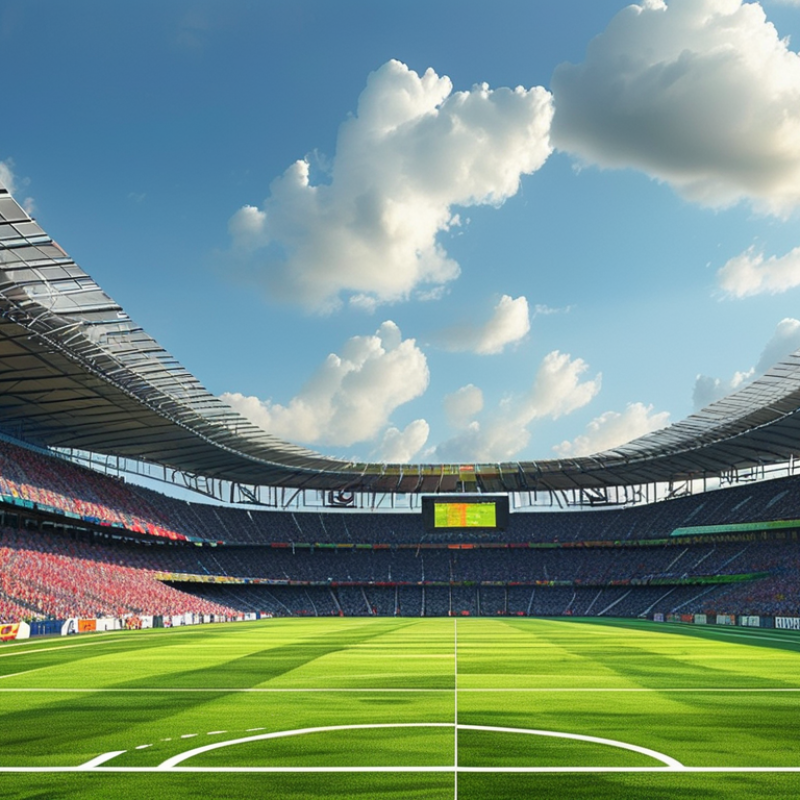
Choosing the right Football Field Artificial Turf is critical for any sports facility. This decision impacts player safety and performance. A well-selected turf can enhance the overall experience of playing football.
In 2026, the market offers various options that can be overwhelming. You might wonder which features truly matter. From durability to appearance, each aspect carries weight. Understanding these factors is essential.
Many buyers overlook the importance of correct specifications. It's easy to be dazzled by brands or colors. However, quality should reign supreme. Reflect on what your field needs. Investing in a turf that meets those needs is vital for long-term success. Your choice can make a significant difference in the game.
Factors to Consider When Choosing Artificial Turf for Football Fields
When selecting artificial turf for football fields, understanding the key factors is essential. One major consideration is the quality of the fibers. Look for durable, resilient materials that withstand heavy foot traffic. The infill is just as important. Proper infill maintains the turf's structure and provides necessary shock absorption. Choose an infill that supports player safety.
Another critical factor is the drainage system. Effective drainage prevents water accumulation, which can lead to safety hazards. Turf with excellent drainage will remain playable in various weather conditions. Additionally, consider the turf's warranty. A reliable warranty reflects the manufacturer's confidence in their product.
Lastly, analyze the installation process and maintenance requirements. Some turfs demand more upkeep than others. Understand that improper installation can lead to issues later on. It's crucial to weigh the long-term benefits against short-term costs, ensuring you make an informed decision that balances quality and affordability.
Types of Artificial Turf Materials: Pros and Cons
When considering artificial turf for football fields, selecting the right material is crucial. Various types of turf materials present unique advantages and disadvantages. For instance, nylon turf is known for its durability and resilience. It can withstand heavy foot traffic and harsh weather. However, it can be quite expensive, which might not fit every budget.
Polyethylene is another popular choice. It's softer, providing a more grass-like feel, making it ideal for sports. However, while it’s more affordable, it may not last as long as nylon. This trade-off between feel and durability is essential to consider when making your choice.
Tip: Always assess your local climate and usage patterns. This can significantly influence your choice of turf material. Consult with experts if you're unsure, as their insight can save you time and money.
Another option is polypropylene, which is lightweight and cost-effective. However, it can show wear and tear more quickly, especially with heavy usage. It’s vital to weigh these factors, reflecting on both immediate needs and long-term goals. Remember, choosing the right turf isn't just about appearance; it's an investment in performance and safety.
Durability and Maintenance Requirements for Football Turf
When considering artificial turf for football fields, durability and maintenance are crucial. High-quality turf can withstand heavy use. However, even the best products require care. Proper maintenance extends the life of the turf and enhances playability.
Routine inspections are essential. Check for tears and signs of wear regularly. This helps identify issues before they worsen. Use a broom or power sweeper to remove debris. It prevents accumulation that can damage the surface. Additionally, infill must be topped off periodically to maintain cushioning and ensure safety.
Tips: Regularly clean the turf to prevent mold growth. Water the surface during hot weather to cool it down. When in doubt, consult professionals for deeper maintenance needs. Turf can fade; rotating the field layout occasionally can help. Prioritize a maintenance schedule that fits your usage patterns. With these strategies, you can enjoy a functional and durable football field for years.
Cost Analysis: Budgeting for Artificial Turf Installation
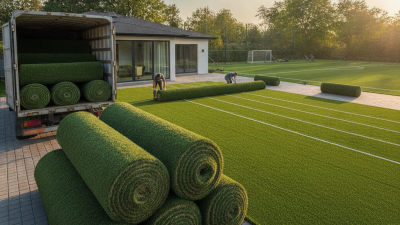
When considering artificial turf installation for a football field, budgeting is crucial. The initial cost of artificial turf can be significant, often ranging from $5 to $20 per square foot. In addition to material costs, installation fees can add another $2 to $5 per square foot. Maintenance costs must also be factored in. Although artificial turf requires less maintenance than natural grass, occasional cleaning and repairs can incur additional expenses.
It’s wise to plan for hidden costs. Consider drainage systems, infill materials, and safety padding. These elements can impact the overall price. Assessing these factors early will help avoid unexpected expenses later.
Tips to help manage costs: Research different turf types and their lifespans. Some may need replacement sooner than others. Get multiple quotes from different contractors. Sometimes, the lowest estimate may hide extra charges. Lastly, inquire about warranties on materials and installation. They can save significant sums in the long run.
Understanding Environmental Impact and Safety Standards for Turf
When selecting artificial turf for football fields, understanding environmental impact is crucial. Studies indicate that synthetic turf can lead to higher temperatures, creating heat islands in urban areas. An analysis by the Sports Turf Managers Association found that these fields can reach temperatures 30 degrees hotter than natural grass. This difference raises concerns about player safety and overall environmental health.
Safety standards for artificial turf have evolved. The most notable concerns relate to infill materials, particularly rubber. Research from the Environmental Protection Agency shows potential risks linked with exposure to crumb rubber, including potential chemical leaching. It's important to understand the nuances of these materials and their long-term effects on athletes. Sometimes, alternative infill options exist, such as organic or plant-based materials.
Regular assessments of turf conditions are necessary for safety. Many fields have shown wear and tear, which can lead to injuries. The National Athletic Trainers’ Association suggests routine inspections to ensure safety standards are upheld. While artificial turf offers advantages, these concerns highlight the need for ongoing dialogue about its use in sports environments. Engaging with players, coaches, and facility managers can improve understanding and safety practices.

 +86 19005411400+86 15006803065
 Contact Phone
 Contact Email